
Article by Vivekanand Joshi | Technical Writer | LinkedIn
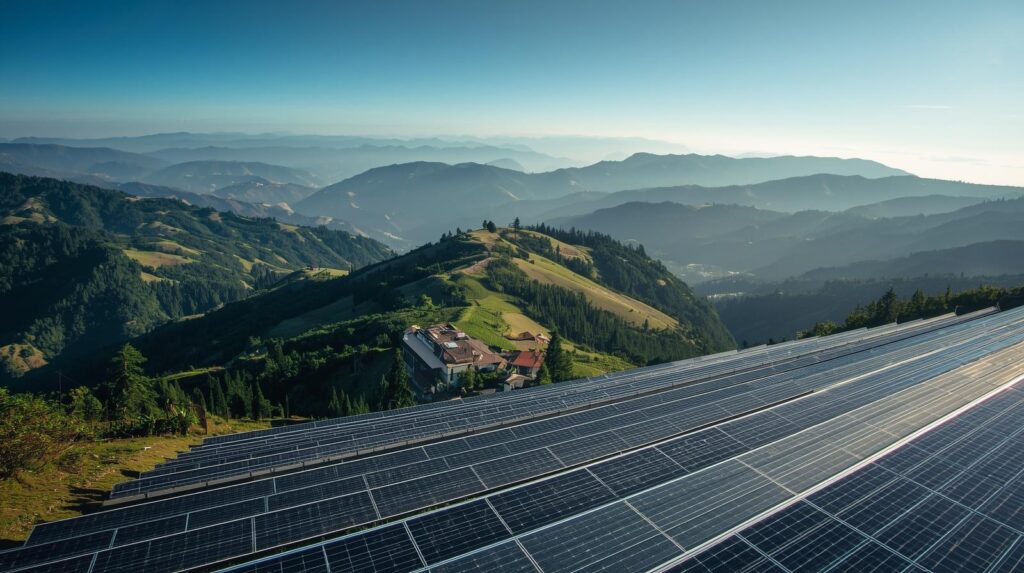
Uttarakhand is blessed with rivers that descend from glaciers, forests that sustain biodiversity, and sunlight that touches even its most remote villages. Yet many of these villages continue to face unstable electricity, limited economic opportunity, and growing migration of youth toward cities.
Renewable energy is often discussed as an environmental necessity. In Uttarakhand, it is also a social and economic responsibility.
The Himalayan ecosystem is fragile. Large-scale industrial expansion is neither practical nor desirable in many mountain regions. Development must respect geography. Renewable energy offers a pathway where environmental protection and economic empowerment move together — not in conflict.
Energy Challenges in Mountain Communities
Delivering centralized electricity across steep terrain is expensive and technically demanding. Long transmission lines increase losses and require constant maintenance in landslide-prone regions. Remote settlements often face inconsistent supply, limiting small enterprises, education access, and agricultural productivity.
While hydropower contributes significantly to the state’s energy mix, large dam projects have also raised ecological and social concerns. Seasonal river flow variations affect output, and infrastructure expansion must always be evaluated against environmental impact.
For a state defined by its natural balance, decentralized energy solutions are not optional — they are logical.
Solar Energy: Powering Local Independence
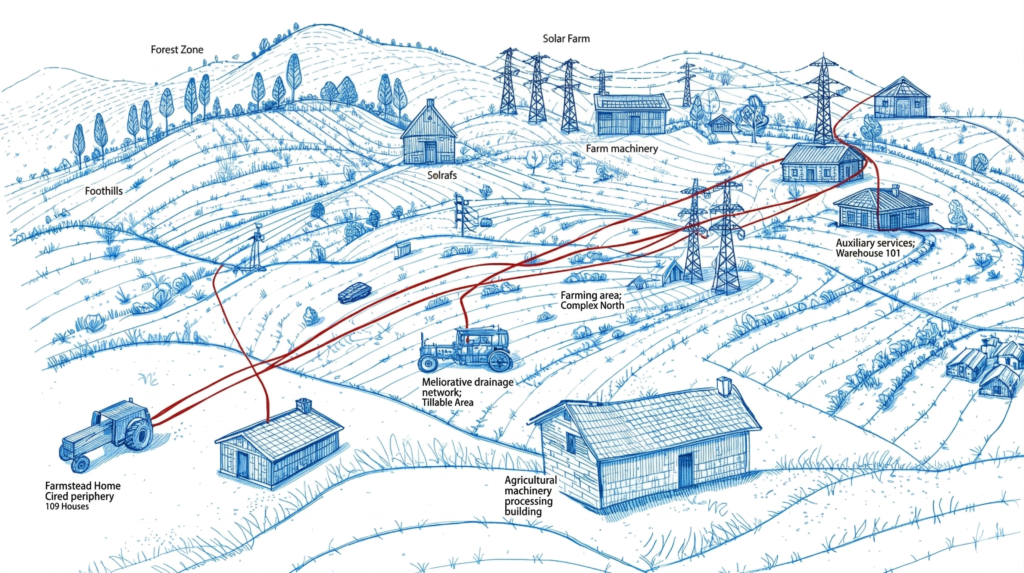
Uttarakhand receives strong solar radiation across much of the year. Rooftop solar installations can help households reduce dependency on distant grids while lowering energy costs.
For remote villages, solar microgrids provide something even more powerful: autonomy.
When energy is generated locally, communities gain control over reliability and maintenance. Local youth can be trained in installation and system upkeep, creating employment within the village rather than outside it. Solar systems, when properly designed for mountain conditions — including roof angle optimization and seasonal maintenance — can serve as stable long-term assets.
Energy becomes more than electricity. It becomes empowerment.
Small and Micro Hydro: Respecting River Ecology
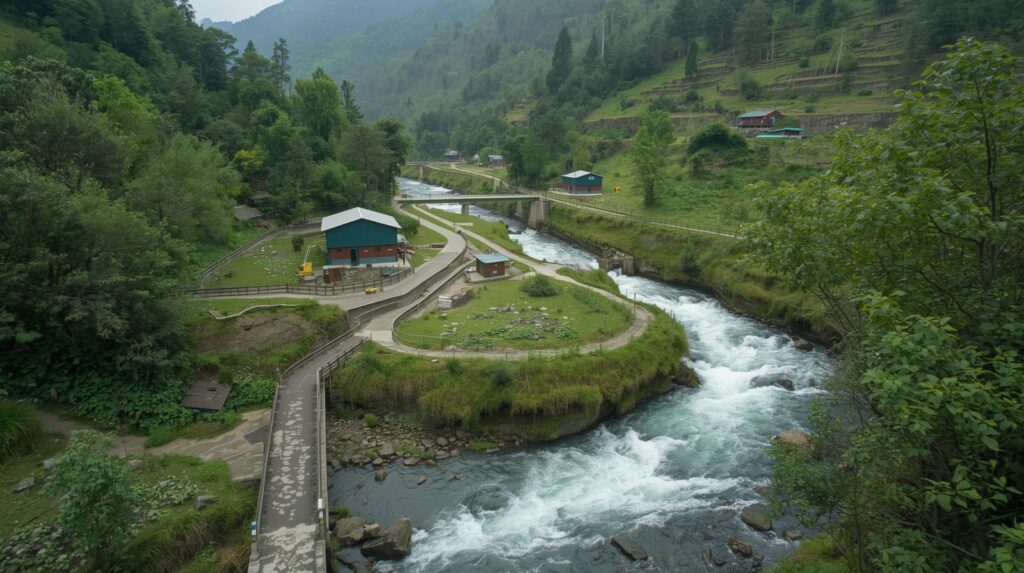
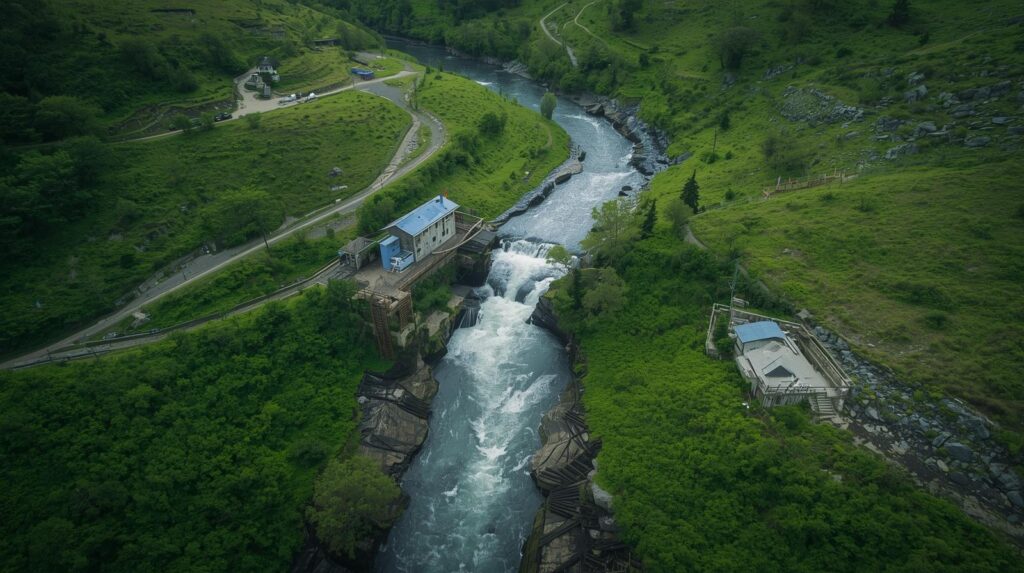
Unlike large dams, small and micro-hydro systems often operate using run-of-the-river models that minimize water storage and displacement. These systems are particularly suited to mountain streams and can power clusters of villages without significantly altering river ecosystems.
When implemented responsibly, micro hydro projects align with the natural flow of the region — literally and philosophically.
They demonstrate that development does not have to mean disruption.
Renewable Energy as an Economic Stabilizer
Reliable electricity directly affects migration patterns in hill regions. When villages lack power, small businesses struggle to survive. Cold storage for farmers becomes difficult. Digital connectivity remains limited. Young people move away in search of opportunity.
Decentralized renewable energy changes this equation.
With stable local power, small enterprises — food processing units, eco-tourism services, handicraft production, digital services — become viable. Renewable infrastructure generates installation and maintenance jobs. Reduced dependence on imported energy strengthens local economic resilience.
Energy independence encourages community confidence.
The Role of Community Participation
Technology alone cannot transform Uttarakhand’s future.
Awareness, training, and collective ownership are essential. Renewable systems must not feel imposed; they must feel adopted. Environmental initiatives such as plantation drives, conservation efforts, and renewable adoption should reinforce one another.
When communities understand the link between forests, water cycles, and sustainable energy, long-term stewardship becomes possible.
Sustainability is not just technical — it is cultural.
Addressing the Real Challenges
The transition toward renewable systems requires honest acknowledgment of barriers:
- Initial capital investment
- Policy and approval delays
- Skill development gaps
- Maintenance responsibilities
However, these challenges are solvable through collaboration between communities, policymakers, and civil society organizations. Long-term planning, transparent governance, and youth training programs can ensure sustainable implementation.
The alternative — continued dependency and migration — is far more costly.
A Collective Responsibility
Renewable energy in Uttarakhand is not simply an environmental trend. It is a pathway toward protecting the Himalayan ecosystem while strengthening rural economies.
The state’s identity is rooted in its natural balance. Development models must respect that balance.
The question is not whether Uttarakhand can adopt renewable energy.
The question is whether it can afford to ignore a solution that protects its environment, empowers its people, and secures its economic future.
Sustainable transformation will not come from policy alone. It will come when communities, institutions, and citizens move forward together — committed to building an energy system that reflects both responsibility and resilience.